
Lent 2026, Day 5: Rising Dawn.
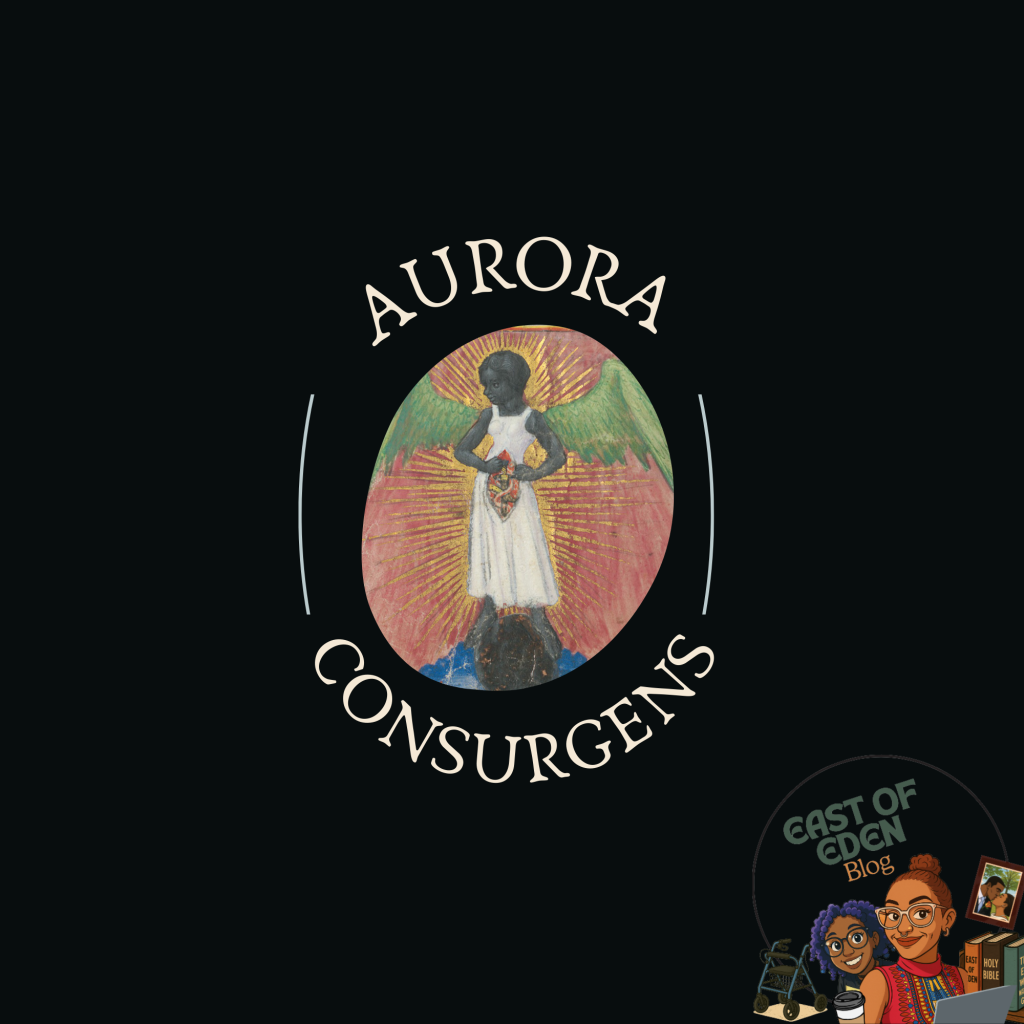
From Denva Gallant, writing at Hyperallergic, this awesome essay on a rarely seen object in Medieval (or most of Western) art:
In our own moment, we are living amid forms of exhaustion that make sustained attention difficult: humanitarian emergencies reduced to statistics, social care systems hollowed out by austerity, and digital economies that reward speed over responsibility. Care is not absent so much as continually deferred, obscured by scale, distance, and a growing insistence that vulnerability should be managed rather than answered.
Medieval European visual culture returns to moments of strain and trial again and again, often figuring them through blackness: through bodies marked by humility, penitence, and spiritual testing. Images of Black figures in the Western tradition are not rare, but love — in its fullest, most generous sense — is rarely what they seem to offer at first glance. In depictions of figures such as Saint Maurice, blackness often functions as a site of moral recognition, inviting viewers to identify with sanctity by confronting their own sin and insufficiency. Other familiar figures, such as Balthazar, likewise position blackness as meaningful primarily for what it signifies to the viewer — distance, universality, or the far reaches of Christendom — rather than as an interior condition. These images open space for identification and self-scrutiny, but they stop short of imagining blackness as generative: not merely a mirror of sin, but the ground from which love itself might take shape.
One image, in the 15th-century alchemical manuscript Aurora consurgens (Rising Dawn), complicates this way of seeing: a late medieval angel with black skin, green wings, and a body cut open to reveal a glowing red interior. In medieval theological and devotional writing, moral goodness was conventionally imagined through the language of light and whiteness. As the 6th-century theologian Pseudo-Dionysius the Areopagite writes in The Celestial Hierarchy, divine goodness overflows with light, illuminating all things according to their capacity to receive it — a formulation that shaped centuries of Christian thought about purity, hierarchy, and visibility. White garments, lightly colored hair, and white luminous flesh became visual shorthand for innocence, obedience, and sanctity.
As an angel, she is meant to embody these virtues. And yet her skin is black. Set against the warmth of the light that radiates from within, her blackness unsettles how goodness is meant to appear. What kind of love could take shape here?
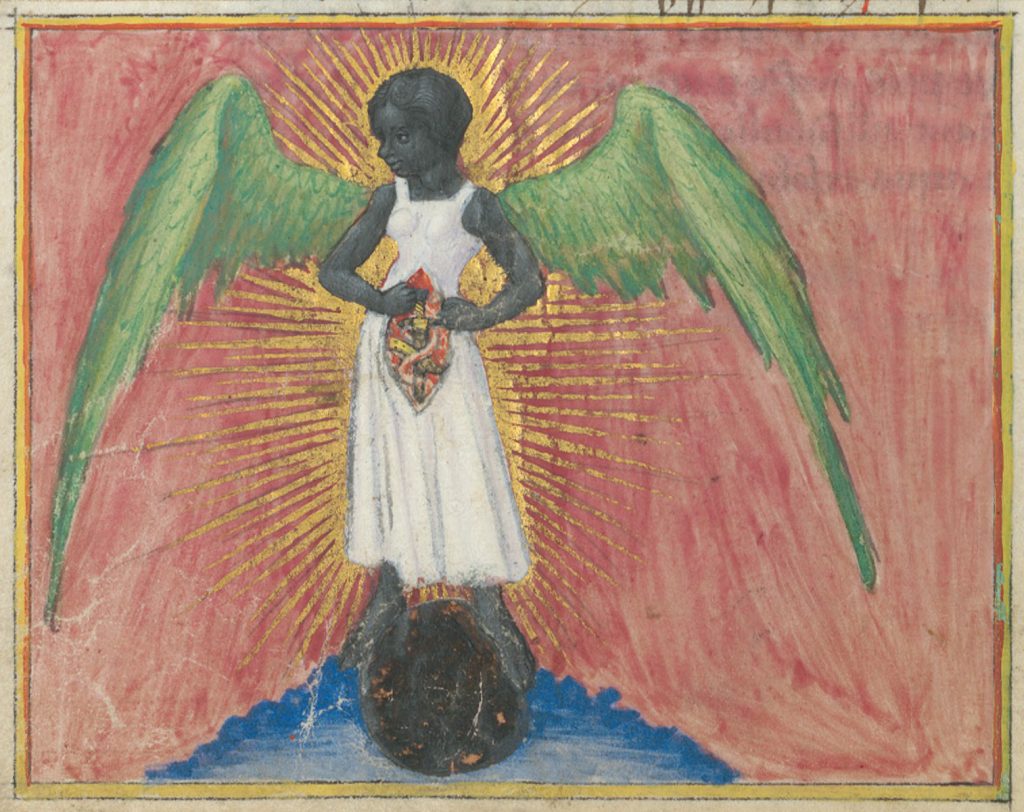

The Aurora consurgens is a late medieval alchemical manuscript that combines dense, allegorical prose with striking images meant to guide the reader through a process of inner transformation. Attributed to a pseudo-Aquinas, the text reimagines alchemy not as the pursuit of material gold, but as a spiritual discipline concerned with humility, self-knowledge, and the gradual reformation of the soul. In the Aurora consurgens, nigredo, rubedo, and albedo are described as distinct stages within the alchemical process of spiritual transformation — but not as a simple ascent from darkness to light. Nigredo names a condition of contrition and unmaking; rubedo intensifies and exposes this state through heat, incision, and inner transformation; and albedo appears as a fragile, receptive condition rather than a final resolution.
Crucially, the text repeatedly warns that whiteness can be false or destructive if severed from what precedes it. Transformation here does not proceed by erasing blackness, but by carrying it forward, integrating it into a changed interior life capable of receiving love.
Angels, planets, and bodies recur throughout the manuscript as allegories for interior conditions, making this black angel not an isolated curiosity, but part of a larger visual system devoted to becoming, rather than achieving perfection.
Read the whole thing here.